Showing posts with label well-being. Show all posts

Friday, 16 March 2012

My yoga

Since my one month yoga holiday is soon reaching its end I want to talk a little about yoga. I could write about the philosophy behind yoga, or about the rules and guidelines, but you can probably find all that on some really good webpage if you're interested. Plus, it wouldn't really be yoga from my point of view, from my own experience. So I decided to write about what it all means to me, what is my yoga?


I'm quite new to yoga, and it's only during the past few weeks that I've begun doing my own practice, instead of a lead class. Mysore is the word used in Ashtanga for self-practice. This means that a teacher is present, but they only assist you where required, and give you new asanas (postures) when they see you are ready to go deeper into your practice. Before I started doing the mysore I went to lead classes, during the first 2 weeks here. This gave me a really good base, kind of a stand on which I could learn to balance. I learned the basic asanas and began to remember the sequence by heart. But it was not until I started the mysore that I learned what yoga could be, for me. During my first own practice I already realised that yoga will teach me more about my body than I could have known. It felt like I was only getting to know my body, from the start. I was so happy when I realised this, it felt like I suddenly started a new friendship, with my own body. Then on the second day I realised how stiff I was. I could feel blocks in my body, remnants of emotional traumas and behavioural patterns. I was disappointed at how strong these barriers inside me seemed to be, and I knew I had a long way to go to unlock them. But I also noticed how I had already begun the process of opening them. I felt emotions rise to the surface only from doing that physical practice. A huge relief came over me, it felt like I was releasing emotional strains that I didn't know I had. And simultaneously I feel that my whole body is gradually changing. I feel taller and stronger, and just more in touch with my body. I also feel a sort of calmness, especially right after each practice. That particular feeling could be enough of a reason to continue doing yoga when I go back home.


I know that this process is only in the very beginning, the experience is only starting. Realising this, I see a glimpse of what yoga can give me. It's incredible how they knew thousands of years ago exactly how I should use my body. I have no doubt that everyone can benefit from yoga.


I'll soon post an interview that I did with one of my teachers here, to give you an idea of what yoga is for someone who is much more experienced than me.

Shanti,

Emma

Friday, 30 December 2011

Clay pampering

Hello there! A week of Christmas has gone by, I hope you all got to enjoy it in the company of loved ones with good food and beautiful words. I've been working almost everyday but nevertheless enjoyed the week (I work in a cinema, mostly selling tickets). I consider my work as a kind of workout or challenge, where I get to practise my social skills and become more confident around people. And it has definitely worked wonders so far. Apart from working I've had many opportunities to conduct "normal" Christmas activities, such as watching films, reading new books, eating really well, and spending quality time with my family. I even had time for a small pampering session which involved a facial mask of natural green clay. Here's the evidence (extremely charming I know):


I want to talk a bit more about this green clay because it's actually quite an amazing substance (perhaps not aesthetically, at least not on my face). The real name for it is Bentonite or Montmorillonite clay, and it is formed from the weathering of volcanic ash. It occurs naturally in many different parts of the world, most notably in the US. Perhaps the most important medicinal property of green clay is its ability to effectively kill bacteria, something that has been shown through various studies and experiments. It contains massive amounts of trace minerals necessary for our health, commonly up to 75 different minerals can be listed.

The most common way of using this clay is probably what I did, to cover your skin with it or take a clay bath, and almost every spa provides such services. This method has been used throughout history to treat various illnesses such as skin infections, acne, ulcers, or arthritis, or to tone the body and reduce fat.

However, external use is not the only way to benefit from the healing properties of clay, and it is also used internally as an extremely effective natural detox method. This is basically due to the negative charge of the particles in the clay which attract other, positively charged particles such as toxins, bacteria, metals and pesticides. These bad particles adhere to the clay particles, which then transport the toxins out of the body.

Here's a list of some health benefits:

  • cleansing of the liver, colon and skin
  • balancing bacteria in the digestive tract
  • improving nutrient assimilation
  • strengthening of the immune system
  • elimination of food allergies
  • healing the body of food poisonings, viral infections and parasites
  • treating arthritis, pain wounds, diarrhoea, stomach ulcers, acne, anaemia, digestive conditions
  • effective in weight loss
  • re-mineralisation of cells and tissues
  • alkalisation of the body
  • protection against radiation

There are different ways of consuming bentonite clay, but normally ca 1 tablespoon is mixed in a glass of water and drunk daily on an empty stomach.

In my opinion, considering all the toxins and radiation we consume and inhale daily and mostly without noticing, clay is a perfect way of daily healing. Without some sort of detox, our bodies are unable to get rid of all the bad stuff at a rate that would compare to the rate with which it is exposed to them. And the best part of clay is that it's really cheap and can be found in most health food/natural/organic shops everywhere.

More information about bentonite:


<3

Emma

Thursday, 10 November 2011

Paula Heinonen


This is another Finnish food guru. On Tuesday she gave a talk at my brother's gym and he invited me to come and listen. It was well worth it, she confirmed what other gurus are saying, but she also enlightened me on a few new things. This woman's got energy, she was bouncing around the room and talking and talking about everything and she almost couldn't stop in the end. The feeling I got was that she really knows what she's saying and is passionate about making people happy and healthy. She's done a lot and whatever she claims is from personal experience and experiment. She has studied biochemistry, microbiology and biomechanics amongst other things, and she has worked in several relevant places, as well as in industrial law. She has also studied functional medicine and is training others in the field. She's written 3 books and there are several more to come. This post is a summary of her talk, which couldn't possibly include everything she's said, which you can read more about here and here (unfortunately this is all in Finnish).

- The first thing she said was that you can always get rid of all symptoms. Taking care of eating well is the most important thing here.

- Our most important organ is our bowel. If our bowels are not well, we can never feel good.

- The atkins diet or whatever it's called, when you eat only red meat and fat, is extremely dangerous because it builds a community of toxic bacteria in your stomach. These then move to your liver because that's the organ that deals with toxins, and after the liver can't deal with it, the bacteria finally moves to your brain. This can be referred to as self-toxification.

- Health is not the absence of disease, it is feeling great. But even so, health naturally includes ups and downs, so don't think you have to strive towards being full of energy and perfectly happy every second of your life.

- Just because you don't have a disease does not mean you're healthy, which is what people often think. We experience headaches, bloating, irritable bowels, wind, fatigue, slight depression, lack of energy, etc. and think it's all just normal and part of being human. Well, you don't actually have to experience any of this. But if you go to a doctor they will give you a bunch of pills for the symptoms instead of revealing their source. And the pills do not even work, and if they do, they usually only give temporary relief until the symptoms return, often stronger. The key is nutrition, but without stress of course.

- Things we can influence in order to feel better: the blood sugar roller-coaster, our bowels, fatty liver disease, immune defence, brain function, hormone function, stress, exercise, getting fresh air, smoking/alcohol/medicine use.

- Vitamin D is the only nutrient we normally need to take as a supplement. It is a multifunctional hormone that for example prevents autoimmunal diseases. It is best taken in the mornings with fats, and at least 50 micrograms per day is recommended.

- Our brains are 60% fats, so you can imagine how well they might function if we consume only bad fats...

- In order to produce serotonin, which makes us happy, we need B-vitamins and zinc, which can be found in natural food.

- Cola drinks (coca cola, pepsi, or any other non-organic ones) contain phosphoric acid which is a rust-prevention substance and is extremely dangerous.

- Fat is normally stored in the buttocks in women and in the stomach in men. While none is good or looks nice, the difference is that the tummy-fat in men is more dangerous because it surrounds our vital organs and helps maintain a chronic inflammation.

- We should eat 3 tbsp of cold-processed high-quality oils every day, and never eat processed vegetable fats, which are treated with hexane.

- In the olden days when milk was still milk and not a pasteurised unidentified liquid, we got enough lactic acid bacteria from our food. Now that's not the case and as such eating these as a supplement is recommended to keep our bowels happy.

- The Finnish wheat is a different species than the one cultivated elsewhere. It is apparently worse than others which could explain the high proportion of wheat allergies in the country.

- Allergies are possible to get rid of. The way to start is by leaving out milk and all cereals from your diet. That is also the way to cure your bowels of problems. Later, when you feel better, you can reintroduce some good-quality cereal and dairy products to your system.

- Raw cacao should not be eaten in excessive amounts as it contains oxalic acid which in the long run burdens our kidneys.

- Eating calcium as a food supplement is risky because it can result in calcification. Normally we don't need to take calcium tablets because a healthy diet gives us all the calcium we need. It is also a myth that milk is the best source of this nutrient, which is found in many vegetables.

This is everything I had time to write down, the pace of this talk was not the slowest. I hope I get another chance to see Paula and I'll definitely try and get hold of her books.

Have a happy weekend full of love!

Emma

Monday, 31 October 2011

Samuli Perälä on nutrition

This food guru firstly highlighted 2 perhaps obvious attributes concerning food: the best food is original and natural. Food that is neither can be classed as fake and includes synthetic, human-made substances and overtly processed products such as white sugar, table salt, flours, and dairy products (including supermarket milk). The processing of foods destroys vital nutrients and such 'foods' are then stuffed with other substances instead, which burdens the body, often leading to liver and kidney symptoms. Ridding your body of such toxins and changing your eating habits to a healthier direction is actually very easy:

Mineralisation

Our bodies are largely composed of minerals and therefore the mineral balance in our bodies is of extreme importance. The easiest way of obtaining most vital minerals is by eating high quality salt. This can be either mountain salt (often called Himalayan rose salt or the like) or sea salt (this is gray in colour and crude, and has not been 'cleaned' with harmful synthetic substances). In contrast, 'normal' table salt is bad for us and should by all costs be avoided as it is highly processed, and sodium is often added in excess, making our bodies very confused. Minerals keep our bodies free from impurities, and as such pure salt is not harmful to us, we can gladly eat plenty.

Vitamination


Many of the vitamins and nutrients vital for our well-being are found in fresh and living food. The smallest and most sensitive nutrients are destroyed by heat, and food containing them should thus be eaten raw. Such foods are berries, all the greens that are fresh from nature, local vegetables, and sour fruits. In the northern hemisphere raw food often feels too cold and insufficient, but even so it is important that some uncooked food is added to each meal. This can be a salad composed of different greens.

Fats


Fats do not make us fat, that is a myth and a lie. This concerns cold-pressed, organic, natural and aboriginal fats, not the processed transfats that are continuously sold to us as healthy, although they actually are deadly. We need both 'hard' and 'soft' fats, which balance each other. Hard fats are for example butter and coconut oil (which is antibacterial and an excellent purifier), while soft fats include cold-pressed vegetable oils. Soft fats are especially important for women's hormones and they should be eaten by women in daily abundance. The balance between Omega 3, 6, and 9 is important, which highlights the importance of eating different kinds of oils and fats. These might for example include fish or fish oils, flax seed oil, avocado oil, hemp seed oil, coconut oil, and olive oil. Brassica oils (includes rapeseed oil and are very common in Finland as cooking oils = rypsi) are not recommended as the plant is of a highly refined species and as such not very aboriginal. This can be replaced with sunflower seed oil. Good fats can be eaten with a good conscience because we need much more of them than the current western diet suggests.

Purification


Green is the colour of pure, and as such all deep greens purify our bodies. Perhaps the most efficient food for this purpose are green powders, which can be anything from wheat grass to spirulina. Also, fresh greens are very good and recommended, for example nettle and other leaves. These should be chewed well to increase their force (all food should be chewed well and eaten slowly to lessen the burden on our stomachs). However, all purifying plants are extremely effective, and should be eaten in small amounts, especially in the beginning. Otherwise a risk of intoxication becomes relevant.

Superfoods


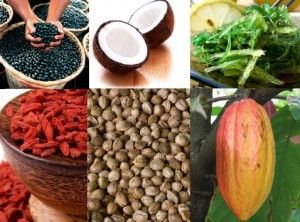
Superfoods contain ancient wisdom and act as acute aids to quickly provide us with missing nutrients and purify our intoxicated bodies. But in a natural state, when we are pure and gain all our necessary nutrition from pure, natural, organic, high quality foods (which is currently hardly the case) superfoods are generally not needed.


Other points made by Samuli:

- The best food for each person is usually the food that grows closest to our place of birth. This highlights the value of local food, which should definitely be taken into consideration when shopping for food.

- Herbs have subtle effects which we often do not notice because our bodies have been numbed by bad food and alcohol. But even if they go unnoticed, the effects do take place in our bodies.

- If you are tired, do not look for stimulants, what you need is sleep. When you wake up you can begin changing your diet to a more energy efficient kind.

- Concerning carbohydrates: again, high quality is what matters. Wild rice, quinoa, amaranth, etc are good sources.

- The most important nutrient addition to eat is vitamin D, especially in a country like this where we don't see the sun during half the year. This vitamin cannot be taken in excess and can freely be eaten in abundance.

- Fanaticism and absolutism is usually not good, they only increase stress, which is the worst state in which to eat.

- New things should be introduced slowly and moderation is the key.

- By far the best way to know what to eat is learning to listen to yourself. You know what you need, and you feel what is right.


If you have any questions or would like a personal consultation with Samuli, do contact me. I'll be back soon with more superinformation.

Love to all,

Emma

Tuesday, 25 October 2011

David Wolfe in town


So, Anna gave me a ticket to this event as a graduation present (although I haven't yet officially graduated). Off we went and it was simply super great. Not only Mr Wolf (whose middle name btw apparently is Avocado..), but also all the people present made the energy feel like a party full of happiness. It was fun and new and cool, and I learned a lot and got inspired to implement it all into my life. The whole point is really to activate the genius you already are, through eating the most amazing things on the planet and living the best way possible.


Here are some key points that found their way to my notebook during the course of the evening:

- Shoes disconnect us from the earth and therefore from the earth's life force, and as such walking bare footed in nature is the best way of grounding yourself and becoming re-connected.

- Growing stuff in your back garden (or wherever) connects you with the earth too.

- If you don't want to eat fish, eat what the fish eat, i.e plankton, to get all the great fishy nutrients you need.

- There are 3 types of Omega 3 oils which are all vital for our well-being: ALA (alpha-linolenic acid), EPA (epicosapentaeonic acid) and DHA (docosaheaenoic acid). ALA is found in chia-, flax-, and hemp seeds, and EPA and DHA in fish or fish food (algae, micro-plankton). These fats can be mixed with wild berries and raw chocolate to create a super source of nutrition. If omega 3s are mixed with saturated fat (such as coconut oil), the absorption is doubled.

- Mushrooms are great. They're the only biological organism that can survive the vacuum of outer space, and the whole atmosphere of our planet is covered in mushroom spores. The reishi mushroom is very nutritious, as is our very own chaga (=pakurikääpä) (which I'm drinking right now for breakfast). Chaga has been shown to prevent and heal cancer, amongst numerous other illnesses, and has been used in the northern hemisphere as a medicine for ages. Vitamin C makes mushrooms 3 times more powerful. A tip: pick rosehips in late summer, dry them in the sun or a drier, ground them to powder in a mortar, and use as vitamin C powder throughout the winter.

- Horsetail (=peltokorte=åkerfräken) is a great herb full of medicinal properties, that can be mixed with chaga tea for example, and is found growing everywhere around you.

- Chocolate (cacao) trees can be grown inside our houses, and are great house plants (I want one now).

- The only thing that should be imported to any place is cacao. We have everything else we need where we are born, such as berries and mushrooms.

- Be aware of your metabolism limits: use the trial and success method.

- People need different nutritional ratios: protein-fats-carbohydrates, found out yours (through the t&s method) and eat according to it.

- Stable blood sugar activates your genius and produces energy, while too much sugar makes you cuckoo.

- Trouble with digestion and absorption is linked with kidney problems, which is linked with low yin (life force) in Chinese medicine, which might all be linked with having a judgement about diet, such as being a vegan. Some people need animal fat (I personally think it's those people with blood group O). If you notice you have low yin but don't want to kill animals, eat butter or ghee (purified butter).

- Low hormone production means bad bones. It is not natural to get bad bones when you're middle-aged, this can be prevented. The best way is by grounding yourself. If oestrogen dominates progesterone in women it creates problems. This happens for example if you eat soy or ddt/dde. ----> ground yourself.

- For cleansing yourself of bad hormones and all the rest of the toxins absorbed from this crazy world, go to the sauna, eat raw food, drink raw juices, eat oils (because toxins are oil-soluble and are absorbed into us through oils, and therefore also come out of us through oils), and once again: ground yourself.

- All diseases - all limitations - are psychosomatic. It doesn't matter who taught them to you or from where you got them or the ideas of them, they are only created through the mind and are not real and you can rid yourself of them all.


And finally: my name is Emma and I'm a genius.


Emma

Wednesday, 17 August 2011

On exercise

I've been wanting to talk to you about exercise for a while now. It is something that has become extremely close to my heart during the past year or so, and yet I feel only now I've achieved a somewhat normal balance with it. I tend to demand way too much of myself at all times, and doing so with exercise is not necessarily a good thing. Earlier this summer I would bike to and from work, which totals at about 40km per day, plus go running 4 times a week. This makes for a lot of time sweating in your workout gear. At first I thought it was good, and I felt great, but after having hurt my foot, and thus being forced to not exercise for about a week, I noticed I might have been overdoing it a bit. Not only have my joints never been as sore and my legs as stiff as when I had to lay off, I also noticed a change in my moods. I had been quite irritable while caught up in my crazy workout regime, and when I wasn't doing it anymore, I was a much nicer person to be around. Now, I think this has to do with the fact that if I'm doing at least 2 hours of cardio a day, that's a lot of blood rushing around, and since both biking (especially if you do it my way) and running are heavy cardio, I didn't really seem to get down from that high, and was restless pretty much all the time.


So what I figured with that was that I would take it down a notch, and have since then quit the biking, and kept the running part as I'm training for a 10k run. And how rewarding it has been! I run much faster and easier, and actually keep making progress all the time, and I feel great. I also want to incorporate yoga and swimming into my workout routine, to balance it all out. I guess what I'm saying is that sometimes it tends to be quite hard to remember the fact that moderation is key. Having said all of this, I still want to add that every single one of us needs exercise, and we probably all need different amounts and kinds of it. So my advice would be to try to find whatever makes you feel good and grounded, and I also think it should always be fun, so keep that in mind.

Anna